
The Cultural and Strategic World of Mahjong
Mahjong, a game steeped in tradition and strategy, has captured the fascination of players across the globe. Originating in China, this game involves skill, strategy, calculation, and a degree of chance, drawing in enthusiasts who celebrate both its historical roots and modern interpretations. Mahjong is not only a game but a cultural emblem that reflects nuanced interactions within its tiles and gameplay.
Origins of Mahjong
The origins of Mahjong trace back to the Qing Dynasty in China. Legend has it that Confucius himself played a hand in developing its predecessor games. It was initially a gambling game played primarily by the noble class. Over time, its popularity spread across different social strata, making it a nationwide pastime by the early 20th century.
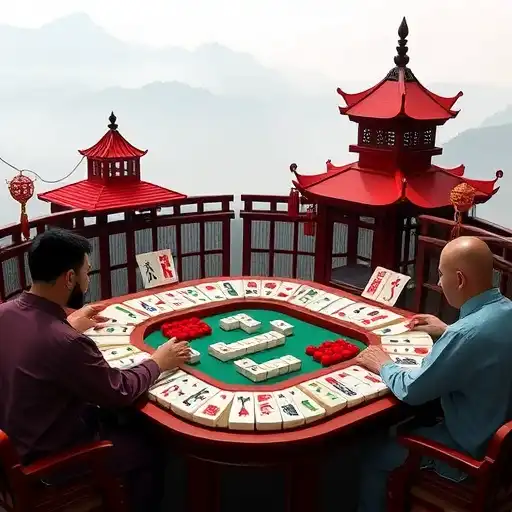
The traditional Mahjong set comprises 144 tiles based on Chinese characters and symbols, divided into suits, honors, and bonus tiles. The game requires four players who draw and discard tiles with the aim of forming a winning hand. The complexity of Mahjong goes beyond mere chance, as players must analyze and anticipate opponents' moves, making it a cerebral challenge.
Mahjong's Global Expansion
With its introduction to the Western world in the early 1920s, Mahjong underwent several adaptations to fit different cultural contexts. In the United States, the game simplified the rules to attract new players, forming what is known as American Mahjong, which includes new elements like the Joker tiles and unique scoring systems.
In Japan, Mahjong gained immense popularity, establishing a distinct style known as Riichi Mahjong, which is fast-paced with its set of rules and scoring mechanisms. Each variation reflects the cultural nuances and preferences of the region, showing the adaptability and universal appeal of Mahjong.
Mahjong in Modern Culture
In contemporary times, Mahjong's cultural significance can be seen in its presence in films, literature, and digital media. It represents concepts of wisdom, social interaction, and strategic thinking. Mahjong tournaments and societies flourish worldwide, underlining its continuing allure.
The advent of technology has brought Mahjong into the digital age, with numerous online platforms offering virtual gameplay. This has expanded its reach to younger generations who might be unfamiliar with the traditional table game. Online Mahjong integrates social aspects, allowing players from different parts of the world to compete and connect.
5526.COM platform-online Slots Brasil #1 and Mahjong
In the realm of online gaming, platforms like 5526.COM platform-online Slots Brasil #1 have recognized the allure of traditional games like Mahjong. While primarily known for slot games, 5526.COM embodies the intersection of traditional gaming and modern technology, offering a variety of casino-style games that appeal to a diverse audience.
Though 5526.COM's forte is online slots—catering particularly to the Brazilian market—it reflects the growing trend of digital platforms incorporating elements of traditional games. This blend introduces a broader audience to Mahjong’s intricacies by promoting an understanding of different casino games.
Strategy and Skill in Mahjong
At the heart of Mahjong lies its strategic depth. Players must discern patterns, predict opponents' strategies, and decide which tiles to keep or discard. This strategic component makes Mahjong a favorite among those who relish intellectual challenges, contrasting it with games of pure chance.
Advanced players develop sophisticated techniques, including memorizing tile patterns and counting cards. The use of deception and bluffing adds layers to the game, requiring a psychological insight that hardcore enthusiasts appreciate and novice players aspire to learn.
Mahjong's Role in Social and Cognitive Development
Apart from its cultural significance, Mahjong is lauded for its cognitive benefits. Studies suggest playing Mahjong enhances mental agility, improves memory, and sharpens concentration. It’s a social game by nature, fostering interaction, communication, and a sense of community among players.
In particular, Mahjong has therapeutic implications for older adults, aiding in cognitive maintenance and providing a mental challenge that can help in delaying symptoms of dementia and Alzheimer’s disease. The game’s combination of pattern recognition, strategic planning, and social interaction offers a holistic approach to mental exercises.
The Future of Mahjong
As we move into an increasingly digital and interconnected world, the future of Mahjong seems promising. The blend of tradition and technology, seen in online platforms like 5526.COM, ensures Mahjong’s continued relevance. It offers a dynamic way to preserve cultural heritage while embracing modern innovation.
Whether played on traditional tables or via an online portal, Mahjong’s strategic allure and cultural richness remain unparalleled. The game continues to bridge generational gaps, connecting diverse cultures and offering a universal language of strategy and enjoyment. Mahjong is more than just a game—it's a timeless journey through history, strategy, and culture.